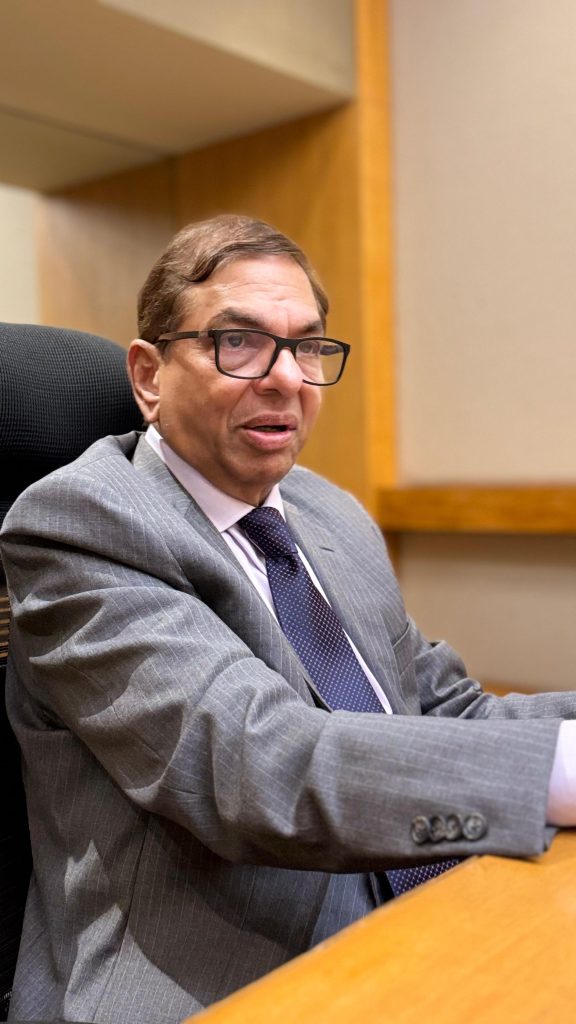
Coimbatore, February 6, 2026 – The Law Offices of Nadadur S. Kumar successfully conducted an insightful media briefing at Vivanta Coimbatore, addressing the rapidly evolving U.S. immigration landscape for Indian students, professionals, investors and families. The session examined pressing visa challenges and strategic pathways, particularly the EB5 investor programme, against the backdrop of the newly announced Indo-US trade agreement and heightened global scrutiny on immigration.
“Immigration today is at the centre of political and economic debate worldwide, and India is exceptional in how deeply it is affected. From student and work visas to long green card backlogs,
Indian applicants face unprecedented scrutiny and delays, which is why understanding alternative pathways like the EB5 investor programme has become more critical than ever,” said Mr. Nadadur S. Kumar, a leading U.S. immigration attorney with over 40 years of experience.
Mr. Kumar noted that while the Indo-US trade agreement does not currently include immigration provisions, reliable sources indicate a “Chapter 2” addressing migration is in final stages.
He emphasized the deal’s impact on Coimbatore’s textile industry, with tariffs dropping to 18% versus China’s 30-32%, creating competitive advantages that will drive wealth creation and increased interest in U.S. business expansion.
Mr. Kumar revealed that F-1 student visas have dropped 50% this year due to tightened consular scrutiny, urging students to apply only to established institutions and maintain impeccable records, as even minor infractions—DUIs, petty theft, or political activism—now result in denials.
The briefing addressed dramatic H-1B changes, including a new $100,000 employer fee applicable only at U.S. consulates (not for in-country status changes) and a weighted lottery favouring advanced degrees and higher wages.
With 70% of H-1Bs issued to Indians, Mr. Kumar highlighted L-1 intracompany transfers as a stable alternative with no quotas, particularly for textile exporters establishing U.S. operations. He noted employment-based green cards impose 10-20 year waits for Indians, leaving many professionals in prolonged uncertainty.
The major focus was the EB-5 immigrant investor programme as the most viable route to permanent residency. Mr. Kumar explained that regional centre investments of $800,000 in Targeted Employment Areas offer structured pathways with job creation managed by USCIS-approved centres.
Drawing on 30 years of practice, he stated, “I have filed thousands of EB-5 cases. Every one of them got their green card and their money back in 4-6 years. Not a single case denied.” He emphasized that EB-5 applicants in the U.S. can obtain work authorization within 5 months, bypassing consulate visits, while capital preservation remains the primary goal.
Attendees engaged in interactive Q&A covering scenarios for students, professionals, entrepreneurs and investors evaluating strategic immigration options.
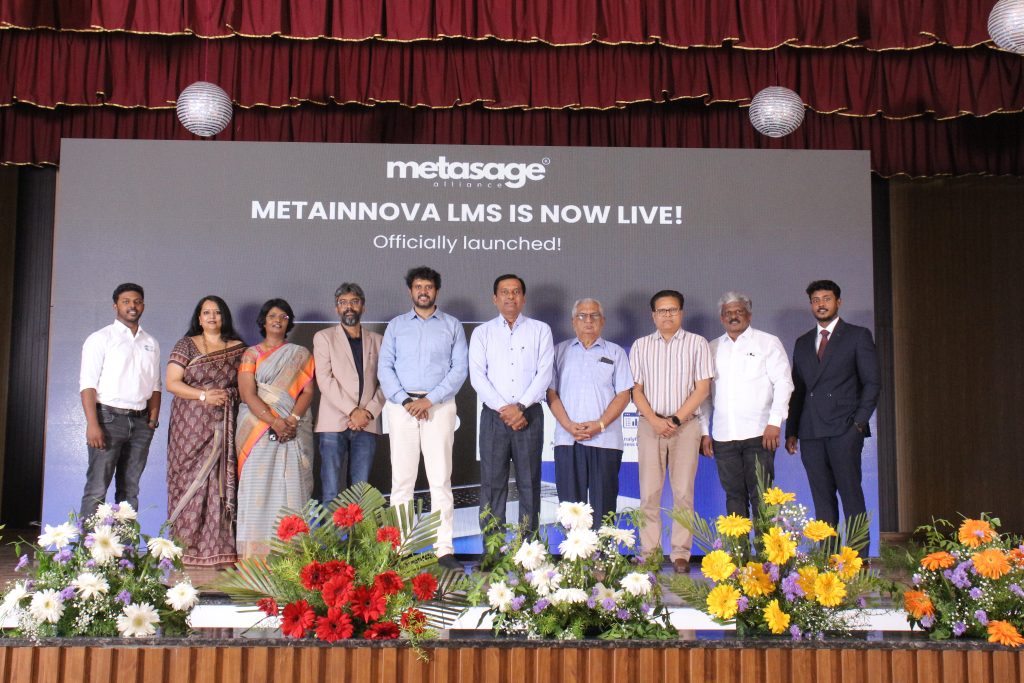
Coimbatore, January 30: In a pioneering step towards transforming school education through technology, Metasage Alliance has officially launched MetaInnova, an innovative and future-skills-focused Learning Management System (LMS), at Kikani Global Academy, Pachapalayam, Coimbatore. The platform is being recognized as India’s first LMS designed exclusively with a school-centric future skills approach.
MetaInnova is a comprehensive digital learning ecosystem built to integrate education, innovation, and emerging technologies into everyday school learning.
A Comprehensive Future-Ready Learning Platform
Designed for students from Grade 1 to Grade 12, MetaInnova goes beyond traditional academics by introducing learners to future-oriented domains such as:
Computer Science
Robotics
Internet of Things (IoT)
Design Thinking
The platform offers a unified system for learning delivery, progress monitoring, performance assessment, project-based learning, assignments, evaluations, and certifications. It aims to nurture analytical thinking, creativity, collaboration, and problem-solving skills among students.
Launch During “MetaInnova Fusion 1.0” Technology Festival
The platform was launched as part of “MetaInnova Fusion 1.0,” a three-day technology festival jointly organized by Metasage Alliance and Kikani Global Academy from January 28 to 30 at the school campus.
The festival witnessed enthusiastic participation from students and educators, with a strong focus on hands-on learning, innovation, and technology exposure.
Day-Wise Highlights of the Event
Day 1 featured a keynote technical session by Dr. L. Ramesh, President – IGEN, who addressed students on the importance of emerging technologies and innovation in education. The day also included technology quizzes and robot design competitions, encouraging collaborative and experiential learning.
Day 2 focused on real-world problem solving through a Hackathon at the CurioX Lab, where students demonstrated impressive analytical thinking, teamwork, and innovative approaches.
Day 3, the concluding day, featured robotics competitions and hackathon evaluations, followed by the grand prize distribution ceremony, during which the MetaInnova LMS platform was officially unveiled.
Dignitaries in Attendance
The event was graced by distinguished guests from academia and industry, including: Shalini Nair, Principal, Kikani Global Academy, Tushar Kikani, Correspondent, V. Uday Shankar, Director – NASSCOM & Co-founder, Maatram Foundation, Vivekanandan Kudalingam, Managing Director, Faraday Ozone, Jayakumar Vellaiyan, Managing Director, Metasage, Anush Jayakumar and Akash Jayakumar, Directors, Metasage, Dr. Akila Muthuramalingam, Chief Executive Officer
The dignitaries distributed prizes and commended students for their creativity and technological innovations.
Bridging Classrooms with the Future
Organizers stated that MetaInnova Fusion 1.0 served as a powerful platform for students to showcase their innovations, interact with industry experts, and understand real-world technology applications.
With a strong focus on Artificial Intelligence (AI), Robotics, and future skills, MetaInnova LMS is expected to play a key role in driving technology-enabled transformation in school education across India.
Metasage Alliance also announced plans to launch its second MetaInnova centre in Delhi soon, further expanding its mission of bringing future-ready learning to students nationwide.
மெட்டாசேஜ் அலையன்ஸ் (Metasage Alliance) நிறுவனம், பள்ளி மாணவர்களின் எதிர்கால திறன்களை மேம்படுத்தும் நோக்கில் வடிவமைக்கப்பட்டுள்ள மெட்டாஇன்னோவா (MetaInnova) Learning Management System – LMS’ தளத்தை இன்று பச்சாபாளையம், கிகானி குளோபல் அகாடமி வளாகத்தில் அறிமுகம் செய்தது.
‘மெட்டாஇன்னோவா’ என்பது மெட்டாசேஜ் நிறுவனத்தின் புதிய படைப்பாக உருவாக்கப்பட்ட ஒரு புதுமையான LMS (Learning Management System) ஆகும். இது கல்வி நிறுவனங்களுக்கு, குறிப்பாக பள்ளிகளுக்கு தேவையான கற்றல், கற்றலை கண்காணித்தல், மாணவர்களின் செயல்திறனை அளவிடல் மற்றும் எதிர்காலத்திற்கு தேவையான திறன்களை வளர்த்தல் ஆகிய அனைத்திற்குமான ஒருங்கிணைந்த கல்வி மற்றும் தொழில்நுட்ப தீர்வாக செயல்படுகிறது.
ஒன்றாம் வகுப்பு முதல் 12-ம் வகுப்பு வரை பயிலும் பள்ளி மாணவர்களுக்கான முழுமையான கற்றல் தளமாக ‘மெட்டாஇன்னோவா’ வடிவமைக்கப்பட்டுள்ளது. கணினி அறிவியல், ரோபோடிக்ஸ், இன்டர்நெட் ஆஃப் திங்ஸ் (IoT), வடிமைப்பு சிந்தனை (Design Thinking) போன்ற துறைகளை ஒருங்கிணைத்த கற்றலை இந்த LMS வழங்குகிறது. வகுப்பறை பாடங்களைத் தாண்டி, நடைமுறை திட்டங்கள், பணிகள் (Assignments), மதிப்பீடுகள், சான்றிதழ்கள் ஆகியவை இதில் ஒருங்கிணைக்கப்பட்டுள்ளன.
மெட்டாசேஜ் அலையன்ஸ் (Metasage Alliance) மற்றும் கிக்கானி குளோபல் அகாடமி இணைந்து நடத்திய ‘மெட்டா இன்னோவா ஃபியூஷன் 1.0’ (MetaInnova Fusion 1.0) என்ற தொழில்நுட்ப விழா ஜனவரி 28 முதல் 30 வரை பச்சாபாளையம் கிக்கானி குளோபல் அகாடமி வளாகத்தில் நடைபெற்றது.
மூன்று நாட்கள் நடைபெற்ற இந்த விழாவில் பள்ளி மாணவர்கள் மற்றும் கல்வியாளர்கள் பெரும் ஆர்வத்துடன் பங்கேற்றனர். புதுமை, படைப்பாற்றல் மற்றும் தொழில்நுட்பம் சார்ந்த கற்றலை ஊக்குவிக்கும் வகையில் பல்வேறு போட்டிகளும் அமர்வுகளும் ஏற்பாடு செய்யப்பட்டிருந்தன.
முதல் நாளில் சிறப்பு விருந்தினராக டாக்டர் எல்.ரமேஷ், President IGEN கலந்துகொண்டு, தொழில்நுட்ப அமர்வுக்கு தலைமை தாங்கினார். வளர்ந்து வரும் தொழில்நுட்பங்கள் மற்றும் கல்வியில் புதுமையின் அவசியம் குறித்து அவர் மாணவர்களிடையே உரையாற்றினார். மாணவர்களுக்கான வினாடி வினா, ரோபோக்களின் வடிவமைப்பு மற்றும் பயன்பாடு குறித்த போட்டிகள் அவர்களின் கூட்டு கற்றல் திறனை வெளிப்படுத்தின.
இரண்டாவது நாளில் நடைமுறைப் பிரச்சினைகளுக்குத் தீர்வு காண்பதை மையமாகக் கொண்டு, CurioX ஆய்வகத்தில் ‘ஹேக்கத்தான்’ (Hackathon) அமர்வுகள் நடத்தப்பட்டன. இதில் மாணவர்கள் தங்களின் பகுப்பாய்வு சிந்தனை மற்றும் குழுவாகச் செயல்படும் திறனை வெளிப்படுத்தி வியக்க வைத்தனர்.
மூன்றாவது நாள் மற்றும் நிறைவு விழாவின் இறுதி நாளில் ரோபோ வடிவமைப்புப் போட்டிகள் மற்றும் ஹேக்கத்தான் மதிப்பீடுகள் நடைபெற்றன. இதனைத் தொடர்ந்து நடைபெற்ற பரிசளிப்பு விழாவில், ‘MetaInnova LMS’ என்ற புதிய கல்வி மேலாண்மைத் தளம் அறிமுகப்படுத்தப்பட்டது.
இந்நிகழ்வில் கிக்கானி குளோபல் அகாடமி முதல்வர் ஷாலினி நாயர், தாளாளர் துஷார் கிக்கானி, நாஸ்காம் (NASSCOM) இயக்குனர் மற்றும் மாற்றம் அறக்கட்டளையின் இணை நிறுவனர் வி. உதய சங்கர், பாரடே ஓசோன் நிறுவனத்தின் மேலாண்மை இயக்குனர் விவேகானந்தன் கூடலிங்கம், மெட்டாசேஜ் மேலாண்மை இயக்குனர்கள் ஜெயக்குமார் வெள்ளையன்,அனுஷ் ஜெயக்குமார், ஆகாஷ் ஜெயக்குமார் மற்றும் முதன்மை செயல் தலைவர் முனைவர் அகிலா முத்துராமலிங்கம் ஆகியோர் கலந்துகொண்டு வெற்றி பெற்றவர்களுக்குப் பரிசுகளை வழங்கினர்.
மாணவர்கள் தங்கள் கண்டுபிடிப்புகளை உலகிற்கு அறிமுகப்படுத்தவும், தொழில் வல்லுநர்களுடன் கலந்துரையாடி தொழில்நுட்பப் பயன்பாடுகளைக் கற்றுக்கொள்ளவும் ‘மெட்டா இன்னோவா – ஃபியூஷன் 1.0’ ஒரு சிறந்த தளமாக அமைந்தது என விழாக் குழுவினர் தெரிவித்தனர்.
இந்தியாவின் முதல் பள்ளி மையப்படுத்தப்பட்ட புதுமையான LMS என குறிப்பிடப்படும் இந்த ‘மேட்டா இன்னோவா’ தளம், செயற்கை நுண்ணறிவு (AI), ரோபோட்டிக்ஸ் மற்றும் எதிர்கால திறன்களை மையமாகக் கொண்டு உருவாக்கப்பட்டுள்ளது. பள்ளிக் கல்வித் துறையில் தொழில்நுட்ப மாற்றத்தை ஏற்படுத்தும் வகையில் உருவாக்கப்பட்டுள்ள இந்த LMS தளம், கல்வி நிறுவனங்கள் மற்றும் ஆசிரியர்கள் மத்தியில் பெரும் வரவேற்பை பெறும் என எதிர்பார்க்கப்படுகிறது.
மேலும், மெட்டாசேஜ் அலையன்ஸ் (Metasage Alliance) நிறுவனம் இந்தியாவில் இரண்டாவது தளத்தை டெல்லியில் விரைவில் அறிமுகப்படுத்த உள்ளது என்பது குறிப்பிடத்தக்கது.
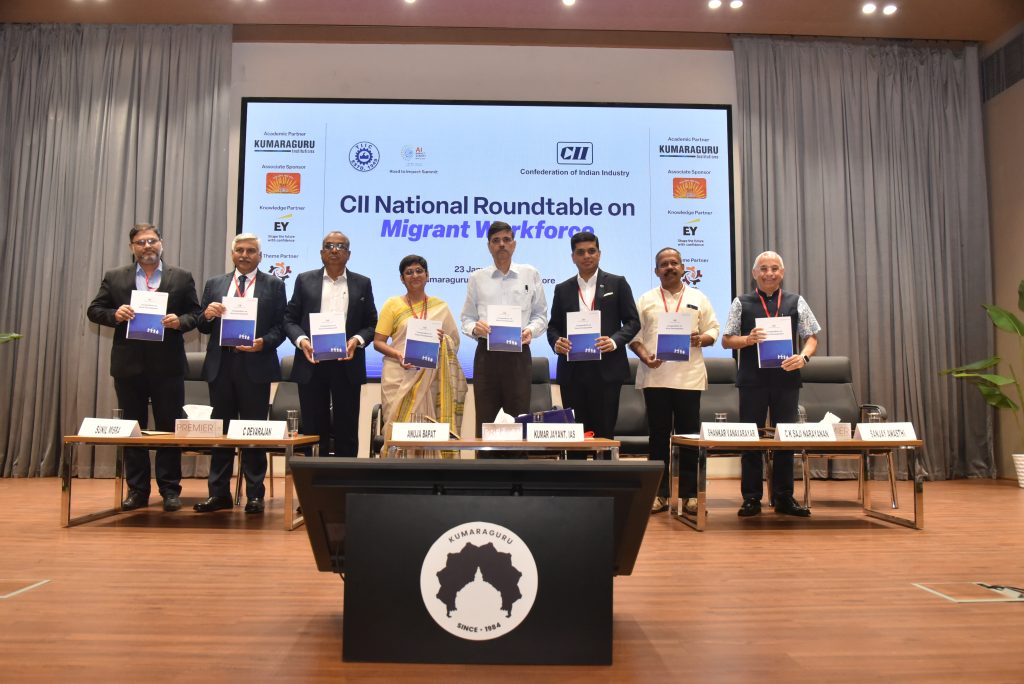
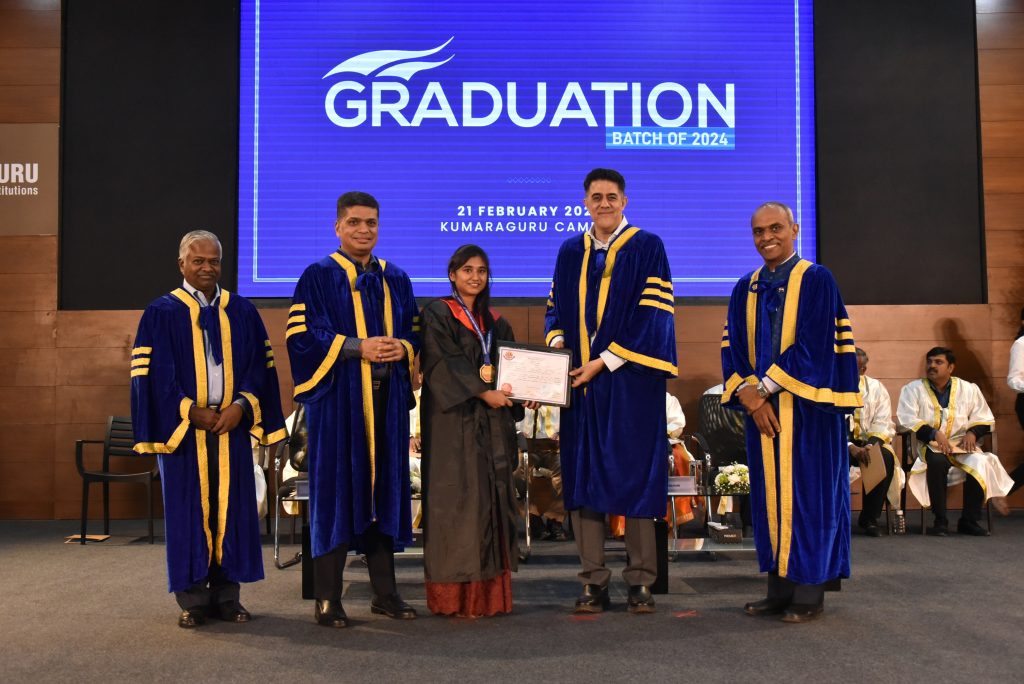
Coimbatore: The Confederation of Indian Industry (CII), in partnership with Kumaraguru Institutions, hosted a National Roundtable on Migrant Workforce on Friday at the Kumaraguru campus, bringing together senior government leaders, industry representatives, and international organisations to address one of India’s most pressing labour challenges—bridging the gap between policy intent and on-ground implementation.
The roundtable witnessed participation from officials representing the Ministries of MSME, External Affairs, and Education, alongside global bodies such as the International Organization for Migration (IOM). Discussions centred on improving social security, recruitment practices, living conditions, and long-term dignity for India’s vast migrant workforce.
The event was inaugurated by Kumar Jayant, IAS, Chairman and Managing Director of Tamil Nadu Industrial Investment Corporation Ltd. (TIIC). On the occasion, CII also unveiled the “CII Compendium on Industry Best Practices”, aimed at setting national benchmarks for responsible employment practices and migrant worker welfare.
Migrant Workforce: “The Silent Backbone of India’s Growth Story”
Delivering a special video address, Mansukh Mandaviya, Union Minister of Labour and Employment, described migrant workers as the “silent backbone of India’s growth story.”
Emphasising a shift in national thinking, the Minister said migrant workers are no longer viewed merely as a labour class, but as critical contributors to India’s economic engine.
Highlighting transformative government initiatives, Shri Mandaviya cited the success of the One Nation One Ration Card scheme, the e-Shram portal for workforce database management, and the expansion of social security coverage. However, he acknowledged the road ahead, stating candidly that “we still have a lot of work to do.”
He underlined the importance of platforms such as the CII roundtable, noting that dialogue between industry and labour stakeholders is essential for meaningful policy advocacy. Inputs from such discussions, he said, are vital to bridge the gap between policy frameworks and ground realities.
Calling the needs of migrant workers “multidimensional,” the Minister stressed that achieving the vision of Viksit Bharat by 2047 will require coordinated action across ministries.
Call for a National Policy Shift
Setting the tone for the day, Shankar Vanavarayar, Chairman of the CII National Task Force on Rural Development & Migrant Workforce, called for a fundamental shift in how India supports its migrant labour population.
He stressed that improving migrant workforce conditions is a shared responsibility across borders, sectors, and institutions, adding that the treatment of migrant workers reflects the values of the nation as both a society and an economy.
Highlighting the significance of the roundtable, Shri Vanavarayar described it as a “maiden attempt” to initiate a structured national dialogue, with plans to expand discussions across diverse geographies. He pointed out that workforce realities differ regionally, demanding a decentralised and context-sensitive approach to policymaking.
“Migration Is Structural, Not Temporary”
Speaking at the roundtable, Sanjay Awasthi, Head of Office, IOM, asserted that internal migration in India is “structural, not temporary,” forming the backbone of the country’s industrial growth.
Advocating a move from informal to formal recruitment systems, he called for adoption of the global Employer Pays Principle, emphasising that recruitment costs should be borne by employers to prevent debt-driven exploitation.
Mr. Awasthi outlined four strategic imperatives for industry:
transparent recruitment contracts in workers’ native languages,
focused interventions for women migrants,
stringent occupational safety standards, and
portability of social security benefits.
“Migrant Workers Remain Invisible”
Echoing concerns around visibility and protection, CK Saji Narayanan, former National President of Bharatiya Mazdoor Sangh (BMS), called for the “universalization of labour protection” to reach India’s last worker.
Referring to lessons from the pandemic, he noted that migrant workers continue to remain largely invisible, lacking accurate data and access to basic safety nets. Urging a shift from “conflict to confluence” in industrial relations, he appealed to employers to view workers as extended family members.
While welcoming the portability of social security benefits mentioned in the G20 declaration, Mr. Narayanan stressed that implementation remains the real challenge. He advocated mandatory appointment letters and worker registration across establishments, irrespective of size, to ensure dignity, safety, and visibility.
Addressing Distress Migration Through Local Enterprise
Bringing a policy and data-driven perspective, Anuja Bapat, Deputy Director General, Ministry of MSME, highlighted the critical difference between “aspirational migration” and “distress migration.”
Drawing from her experience with the National Sample Survey, she observed that while skilled migration fuels growth, distress migration often creates deep social and economic challenges. She noted that most workers prefer migrating to the nearest possible location, rather than far-off destinations.
Ms. Bapat urged policymakers to expand the definition of migrants to include dependent migrants—particularly women and children—whose needs often go unaddressed. Citing industrial hubs such as Surat, she explained how migrant workers frequently face higher per-capita living costs due to limited access to bulk purchasing and shared services.
Positioning MSMEs as key enablers, she highlighted that with nearly 7.5 crore enterprises registered on the Udyam portal, the sector can serve as a powerful platform for skilling and stabilising livelihoods. Promoting local entrepreneurship through schemes like PM Vishwakarma, she argued, could create sustainable opportunities in home states and significantly reduce distress-driven migration.
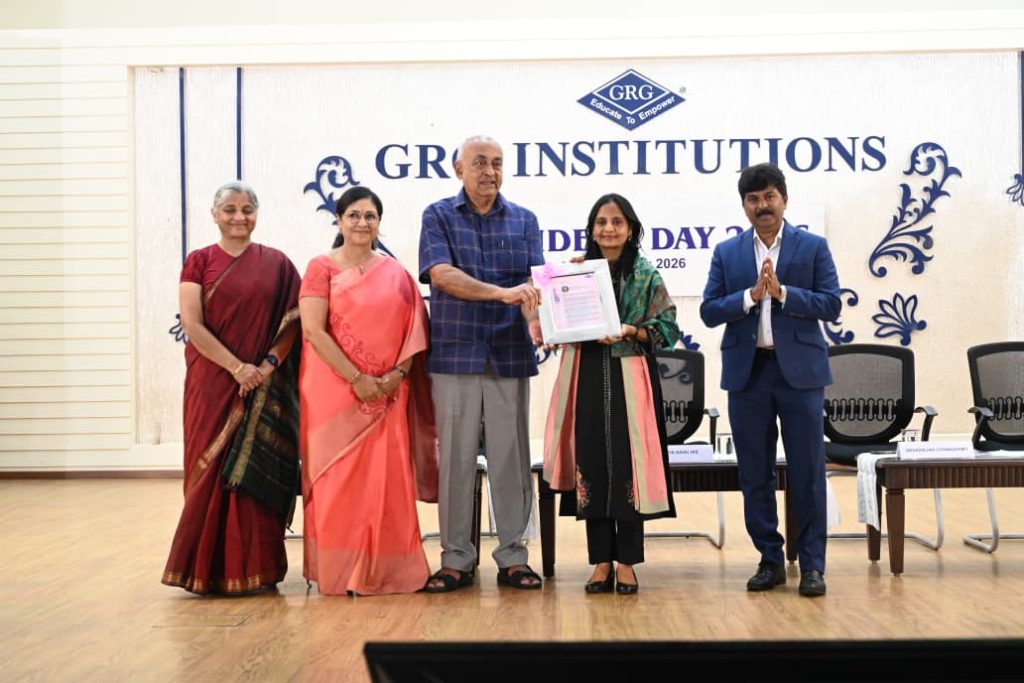
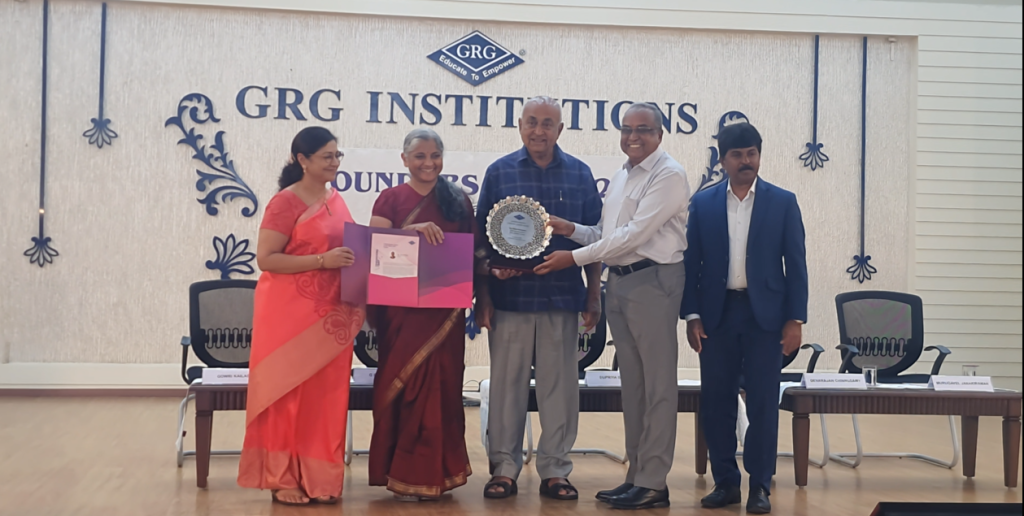
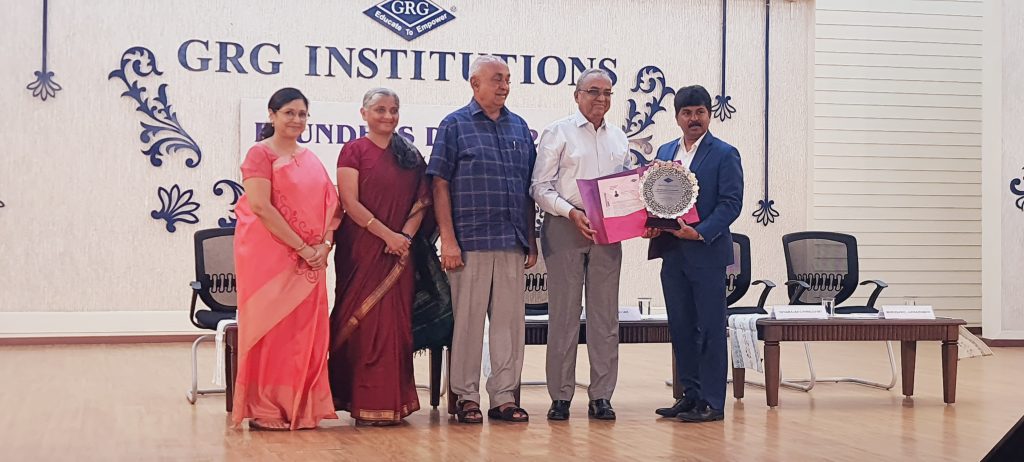
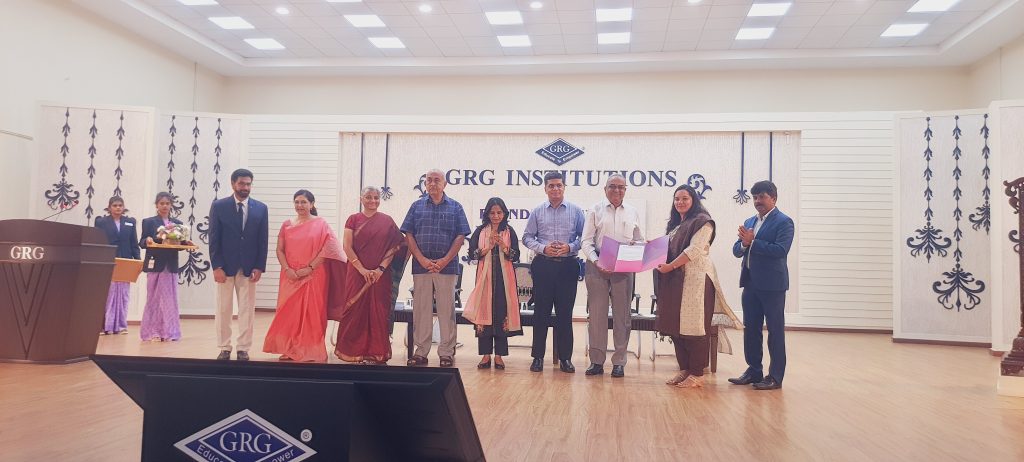
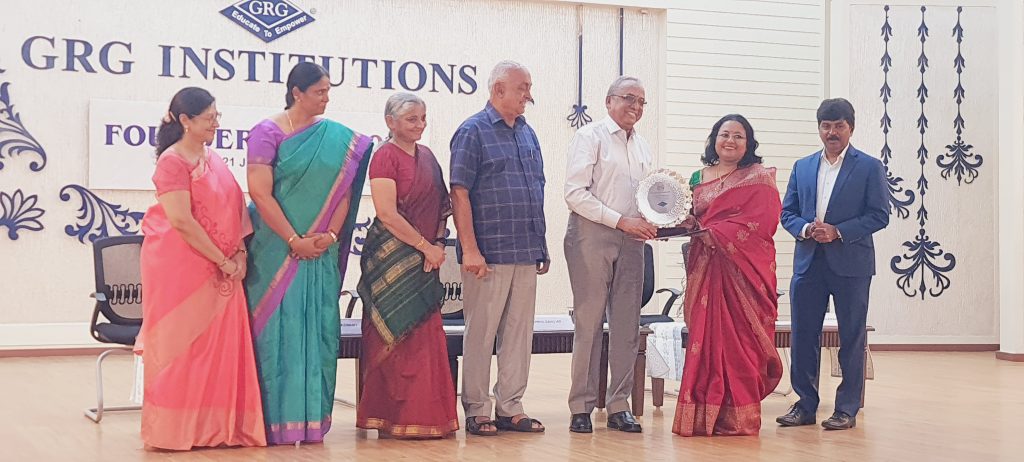
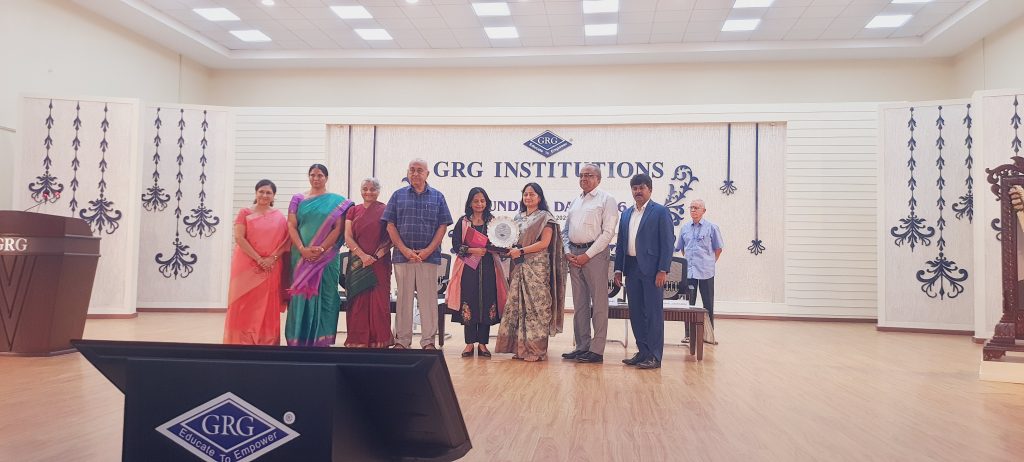
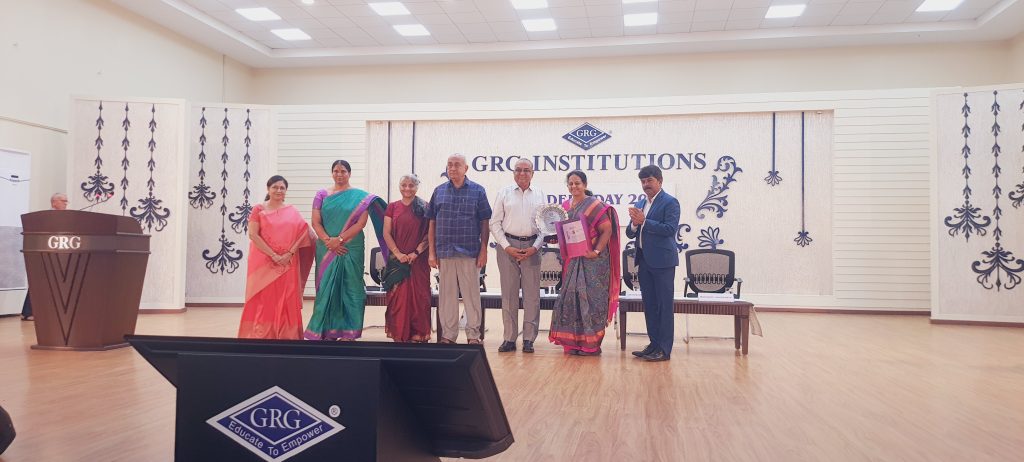
GRG Trust commemorated its Founders’ Day Celebrations 2026 on Wednesday evening at the Alumni Golden Jubilee Auditorium of PSGR Krishnammal College for Women, bringing together trustees, educators, students, alumni, and leaders from industry and public service.
Held between 4.30 pm and 6.30 pm, the annual celebration paid tribute to the vision and values of the founders of GRG Trust, while reaffirming its long-standing commitment to education, leadership, women’s empowerment, and social transformation.
The programme began with a welcome address by G. Rangaswamy, Managing Trustee, GRG Trust. Nandini Rangaswamy, Founder Trustee, introduced the dignitaries for the evening.
The event was presided over by Supriya Sahu, IAS, Additional Chief Secretary to the Government of Tamil Nadu, Department of Environment, Climate Change and Forests. In her felicitation address, she spoke on the importance of conservation practices, highlighting the ecological significance of Tamil Nadu’s forests and coastal regions.
The GRG Memorial Lecture was delivered by the Chief Guest, Devarajan Chinnusamy, Managing Director, URC Construction Private Limited, Erode, who shared insights on leadership, enterprise, and responsible growth.
As part of the celebrations, the Chandrakanthi Catalyst Leader Award 2026 was conferred on Gowri Kailasam, CEO, Rane (Madras) Limited, Chennai, recognising her exemplary leadership and transformative contribution to industry and society.
The GRG Trailblazer Award 2026 was presented to Murugavel Janakiraman, Founder, Chairman, Managing Director & CEO of Matrimony.com (Bharat Matrimony), honouring his pioneering role in India’s digital and entrepreneurial ecosystem.
A key highlight of the evening was the launch of the Chandrakanthi Fellowship Programme for Women Leadership, an initiative designed to nurture future women leaders through structured mentorship and leadership development. The programme reflects GRG Trust’s continued focus on inclusive leadership and women’s empowerment.
The occasion also saw distinguished alumnae of PSGR Krishnammal College for Women being honoured as KCW Brand Ambassadors, in recognition of their professional excellence and sustained contributions.
The honourees included CA Rama Meenakshi, Senior Credit Approver, Hero FinCorp Ltd.; Leena Antonette Maria, IRS, Deputy Commissioner of Income Tax, Government of India; and Bhuvaneshwari Murali, Vice President – Commercial Rating, Underwriting and Risk Management, American Express, USA.
Their journeys stood as inspiring examples of leadership and service across diverse domains.
The event concluded with a vote of thanks by S. Balasubramanian, Advisor, GRG/KCW.
The Founders’ Day celebration served as a meaningful reminder of GRG Trust’s enduring legacy—one rooted in educational excellence, social responsibility, and the empowerment of women to lead and inspire across generations.
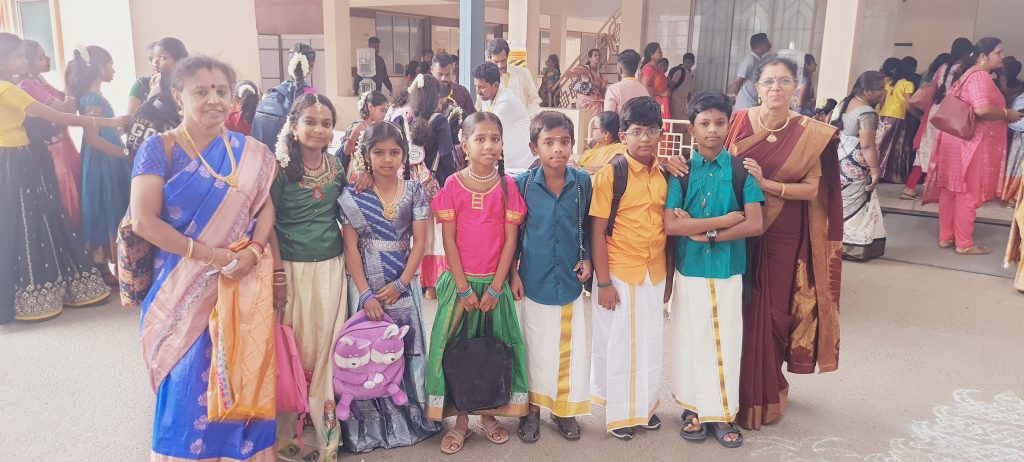
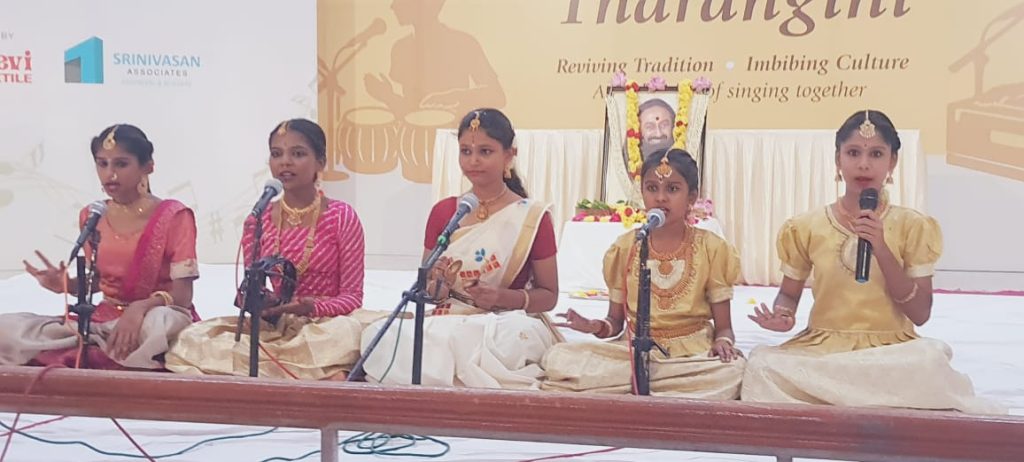
Swara Tharangini, an interschool bhajan singing initiative inspired by the vision of The Art of Living Foundation, was inaugurated in Coimbatore with devotion and cultural fervour, witnessing the participation of over 500 school students from schools across the region.
The event commenced with an opening and welcome session that highlighted the importance of reviving the ancient Indian tradition of collective bhajan singing among children, fostering values such as discipline, emotional balance, and unity through music. The initiative draws inspiration from the teachings of Poojya Gurudev Sri Sri Ravi Shankar, who has consistently emphasized the power of collective singing in creating harmony and inner well-being.
Dr. Sitara Vikram, Art of Living Tamil Nadu Apex Body member and Founder of CS Academy, delivered the welcome address and spoke poignantly about the present generation of children often being referred to as the “anxious generation”, growing up amid academic pressure, constant digital stimulation, and emotional stress. She highlighted that bhajans offer a simple yet profound solution, as collective singing naturally calms the mind, regulates breath, and creates emotional stability. She emphasized that regular engagement with devotional music helps children experience focus, joy, and inner security, making bhajans not merely a cultural practice, but a powerful tool for mental and emotional well-being.
A key highlight of the inauguration was the launch of the Swara Tharangini Bhajan Journal, a thoughtfully curated year-long companion for student participants. The journal encourages children to continue singing bhajans beyond the competition through structured monthly themes, festival-based bhajans, and reflection spaces, helping them build consistency and a joyful connection with devotional music.
The inauguration also featured the launch of the Swara Tharangini website, created as a dedicated digital platform to support bhajan learning, participation, and community engagement, further strengthening the initiative’s outreach and continuity.
The organisers expressed gratitude to the sponsors, schools, parents, and volunteers for their support and reiterated their commitment to passing on India’s rich devotional and cultural traditions to the next generation.
Swara Tharangini commenced on an uplifting note, setting the tone for a meaningful celebration of music, values, and togetherness.